For many CIOs and IT managers, the Service Desk has become the most visible—and often the most celebrated—part of the IT department. Large screens display live dashboards, trends look appealing, and empathetic agents go the extra mile to please anyone calling IT support.
In the 1990s, when IT as we know it today was becoming ubiquitous, one of its most significant roles was fixing broken hardware—replacing hard drives, cleaning mouse sensors, dealing with non-functional printers, or advising users how to change font size.
Yet after more than 30 years, the role of the Service Desk is still largely centered around the same logic: fixing simple issues. We continue to rely on first-level support, typically staffed with junior roles, assuming their primary responsibility is to capture initial information and escalate more complex issues to senior specialists.
Service Desk metrics reflect this outdated model. They focus on tickets resolved per agent, backlog size, SLA compliance for resolution times, and—of course—user satisfaction scores collected after ticket closure.
But the world has changed, while old practices continue to be promoted as “best practices” without questioning their relevance.
Users today are far more skilled. Hardware and software are significantly more reliable. The overall need for IT support is declining—unless IT itself is poorly managed or inherently broken.
Well-managed IT is preventive. It focuses on eliminating technical debt, enabling automation, and supporting self-service. It enables smooth, almost invisible interactions between IT and users—without triggering frustration, escalation, or even the need for feedback.
In that context, ticket closure ratings become questionable. In fact, they should be removed from “best practices” altogether, as they often represent value-wasting activity rather than meaningful insight.
Strategically, the role of the Service Desk needs to be rethought. Effort should shift toward prevention, rather than positioning it as a critical capability in its own right.
Because it no longer is.
The value of IT has moved toward proactive, innovation-driven efforts that improve the overall system of work—not toward perfecting low-value, reactive activities.
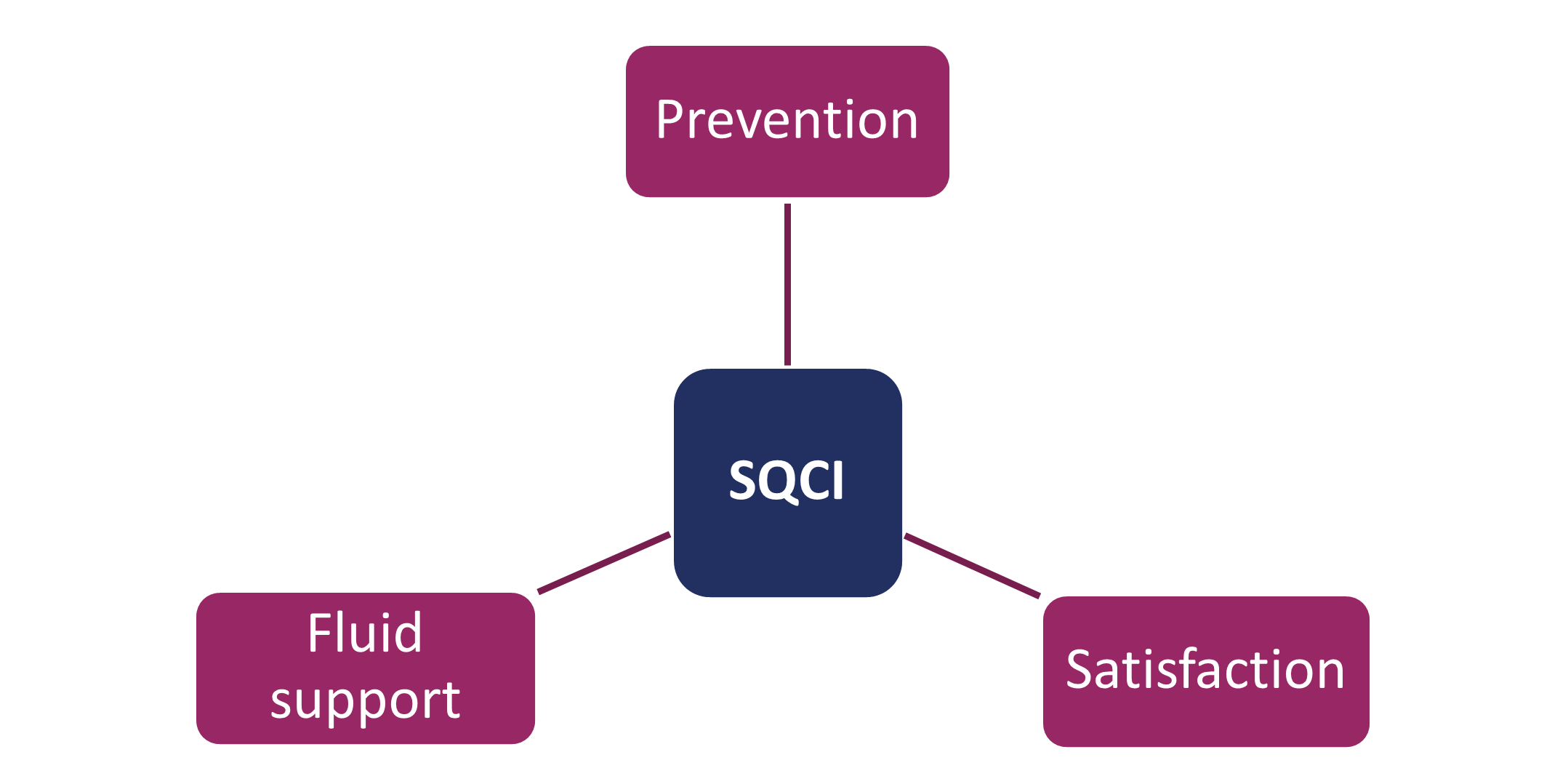
This shift also requires rethinking how we measure IT support performance. Instead of focusing on isolated Service Desk metrics, we need composite indicators that reflect the quality of the whole system. The Support Quality Composite Indicator (SQCI) is one such example—capturing not just how well support performs, but how often it is needed in the first place. Because ultimately, the best support experience is the one that never had to happen.